Resource sharing versus facilitating a guided meditation
You are happy to pass on a link, but unsure about leading a group.
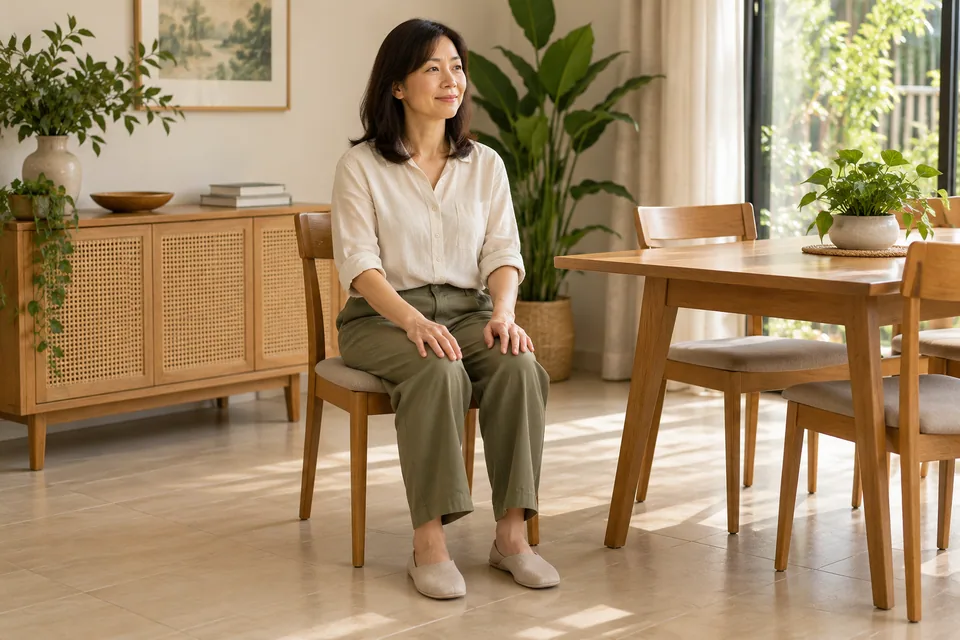
Sharing a resource means handing someone a link, a page or a tool and letting them use it on their own. Facilitating means leading people through a practice in real time, and you are then responsible for the room. They are not the same, and this site only helps with the first.
Knowing the difference keeps everyone safer and your role simpler.
What counts as sharing a resource?
Sending a link on WhatsApp, giving someone a printed planner, or putting a breathing pacer on a notice board all count. The other person chooses when, where and whether to use it.
Nothing in the moment depends on you. If they ignore it, nothing is lost.
What counts as facilitating?
Facilitating is anything where you guide people through a practice live. Playing a recording to a group, reading a script aloud and giving instructions in a room all fall here.
You now manage timing, space, people’s reactions and questions. Some people may feel uneasy or emotional during stillness, and you need to know what to do.
Why does the difference matter?
When you facilitate, people look to you. They may share personal things or ask for advice. A kind friend is not trained to give clinical care, and this site is not a clinic or a helpline.
Sharing keeps the power with the reader. Facilitating asks them to trust you in the room.
Try this: decide which one you are doing
Ask yourself these questions before you plan anything.
- Will people use this alone, at their own time? That is sharing.
- Will I speak, play or guide while they are doing it? That is facilitating.
- Can anyone leave freely, with no one noticing? If not, rethink it.
- Do I know what I would do if someone became upset?
- Is there a qualified person I can ask or involve?
If you answer no to question four, stay with sharing.
What should I check if I do facilitate?
Say clearly at the start that it is optional and that people can stop or leave at any time. Keep it short. Do not ask anyone to share how they feel. Our guide on explaining voluntary participation has wording.
Keep the room safe: seats that are comfortable, doors that open, and freedom to keep eyes open. Do not claim any result. If you are unsure, ask a trained teacher, and read meditation classes in Malaysia: how to choose one.
What if someone needs more than a resource?
Then neither sharing nor facilitating is the answer. If a person seems low, anxious, unsafe or unwell, encourage them to talk to a doctor or counsellor. Our guide on finding suitable support and the get support page are good places to start.
If a practice brings up distress, dizziness or painful memories, it is fine to stop, always.
Adapting it for real life
In a workplace, sharing the link is safer than a lunchtime session that people feel they should attend. In a family, a quiet minute together after dinner is fine if nobody is led or tested. In a club, choose a short, optional break.
Where to go next
If you are new to the practice yourself, read your first seven minutes of sitting still. You can find more in our sharing calm guides.
When you are ready, Sadhguru’s free seven-minute guided meditation in the Miracle of Mind app is there to try alone, at your own pace.
Common questions
Can I play a recording for a group?
Playing a recording is still facilitating, because you are responsible for the room. Tell people it is optional, let them leave, and avoid it if you cannot support someone who becomes upset. Sharing the link for people to use alone is simpler.
Do I need a qualification to share a link?
No. Sharing a link, a printed page or a tool is an ordinary kindness. Leading a practice, answering personal questions or advising on health is different, and it is wise to leave that to people trained for it.
What if someone gets upset during a session?
Stop the practice calmly, offer water and a quiet seat, and do not ask them to explain. Let them leave if they want. Afterwards, point them to a doctor or counsellor and to our get support page. You are not expected to handle it yourself.
Read next
If you want to know how a short guided meditation feels before deciding what to share, Sadhguru's free seven-minute session in the Miracle of Mind app is an optional place to try it alone.